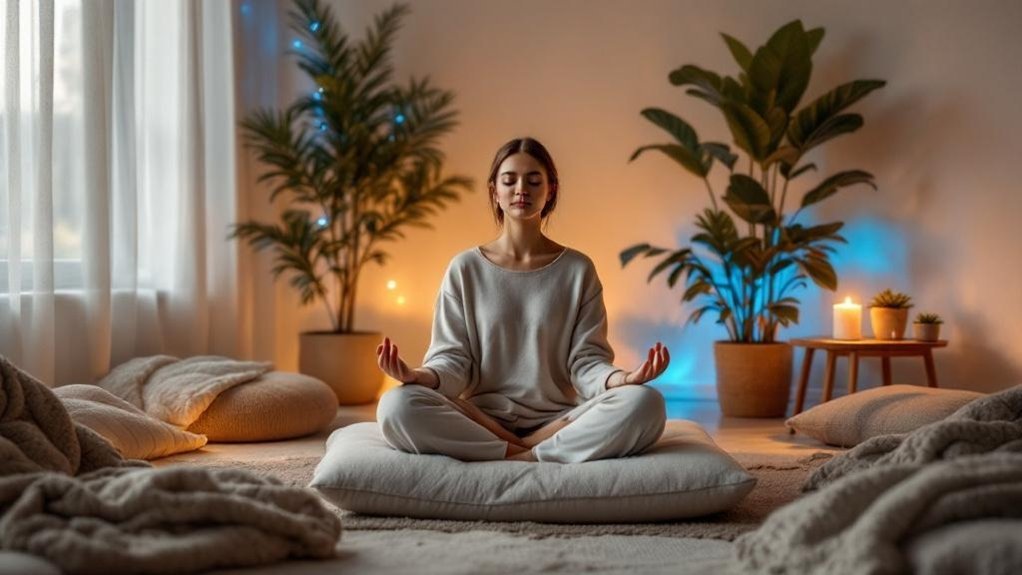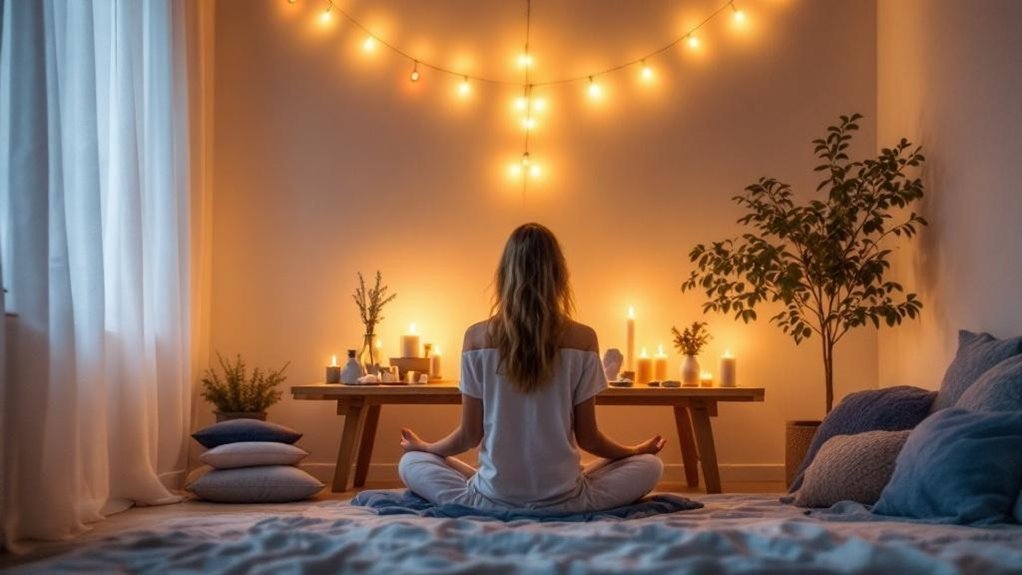
Have you ever felt a wave of calm wash over you during a ritual, only to struggle when it was time to set up your altar? If you’ve found yourself wondering how to create a space that truly resonates with your intentions, you’re in the right place. Tonight, I’ll guide you through choosing a meaningful location and selecting objects that enhance your focus—all from my experience over the past decade. Start with what feels right for you. Trust this process, and you'll discover how simple choices can deepen your daily spiritual practice.
Key Takeaways
- Choose a quiet spot with natural light to create a stable altar — it enhances focus and fosters a sense of security during spiritual practices.
- Select 3-5 personally meaningful items, like specific crystals or candles, to evoke positive feelings and strengthen your connection to the altar.
- Arrange your altar items intentionally, allowing natural flow — this simplicity maintains clarity and enhances your spiritual experience.
- Clean your altar weekly and refresh items regularly to keep energy vibrant and focused, ensuring a continual connection to your practice.
- Incorporate daily rituals, like lighting a candle or meditating for 10 minutes, to deepen your connection and promote personal growth.
Introduction
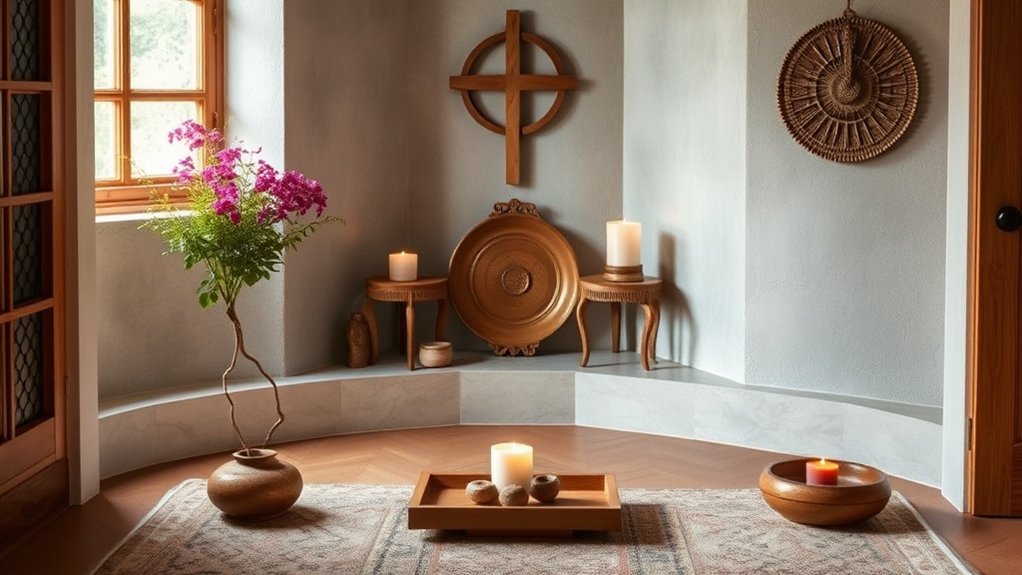
Creating a sacred altar space can feel a bit daunting at first, can’t it? I remember my own early attempts—cluttered spaces, mismatched items, and feeling overwhelmed by the idea of “doing it right.”
But here's the thing: it’s about what resonates with you. You don’t need a big, elaborate setup; just a small, dedicated area where you feel calm and safe.
Start there. Maybe it’s a corner of your room or a cozy spot by the window. This space will serve as a daily reminder of your intentions and beliefs, helping you connect with your inner self. Trust the process.
When you're ready to gather items, think about what speaks to you. Candles are great, but be sure to use fire-safe containers and never leave them unattended. Crystals can add beauty and energy, but remember to source them ethically—look for vendors who prioritize responsible mining practices.
And if you’re drawn to herbs, consult a healthcare provider before using them, especially if you have any health concerns.
Try this tonight: set aside just 10 minutes to choose a few meaningful objects. It could be a favorite stone, a picture, or even a simple flower. Arrange them in a way that feels right. There’s no wrong way to do this.
What I wish someone had told me as a beginner is that your altar is a reflection of your unique journey.
Have you ever felt that? That little spark of connection when you look at something meaningful? Let that guide you. Take a moment to breathe, and see what comes up for you. You might want to keep it simple—just a candle and a small crystal to start. That's enough.
As you build your space, remember: some practitioners might have different views on what items should or shouldn’t be included. That’s valid. You’ll find your own path.
And know that peace and focus will come as you make this space your own.
Finally, to deepen your practice, consider dedicating a few moments each day to sit with your altar. Light a candle, take a breath, and simply be. This daily ritual can ground you in your intentions and beliefs, creating a sanctuary for your spirit.
What’s one thing you’re excited to include?
The Problem
You mightn't realize how a poorly designed altar space can disrupt your focus and spiritual connection. This issue affects anyone seeking a meaningful, peaceful environment for reflection or ritual.
Understanding why this matters helps you create a space that truly supports your intentions. But what happens when the elements of your altar come together in harmony? The transformation can be profound, leading to a deeper sense of connection and clarity in your practice.
Why This Matters
Why This Matters
Ever felt that your altar just isn’t resonating with you? I’ve been there. When I first started, I didn’t realize how crucial the design of my sacred space was. Neglecting it made my practice feel flat, almost lifeless. Your altar should be a sanctuary—a place where you feel safe, grounded, and connected to your journey.
Without thoughtful design, distractions can easily creep in. You might find it hard to focus or relax. Start with what feels right to you. What colors uplift you? What items bring you joy? Here’s a practical takeaway: take a few moments tonight to rearrange or add something meaningful to your altar. It doesn’t have to be elaborate—sometimes, it’s the simplest changes that make the biggest difference.
Creating a space that truly supports your spiritual needs helps establish a reliable routine. It’s like building a cozy nest where you can return each day to reinforce feelings of safety and calm. The first time I intentionally designed my altar, I felt a shift—like I finally had a place that understood me.
Remember, it’s about personal interpretation. You don’t have to follow a specific tradition if it doesn’t resonate. Maybe you love crystals, or perhaps you’re drawn to the elements of nature. Trust your instincts.
When your altar feels intentional and welcoming, you’re much more likely to engage with it daily. That connection deepens over time, nurturing your well-being. What I wish someone had told me as a beginner is that your altar is a reflection of you, and it’s okay to change it as you grow.
Practical Steps to Create Your Altar
- Choose a Space: Find a quiet corner in your home that feels good. It doesn’t have to be big—just a spot where you won’t be disturbed.
- Select Meaningful Items: Gather items that resonate with you. This could be crystals, candles, or personal tokens. Just remember, if you're using candles, make sure they’re in fire-safe containers and never leave them unattended.
- Design with Intention: Arrange your items in a way that feels pleasing. Consider the elements: earth, air, fire, and water. Each can represent different aspects of your practice.
- Regularly Refresh Your Space: Change things up when you feel the need. This could be seasonal, like incorporating elements for the solstices or simply when you’re feeling stagnant.
- Engage with Your Altar: Spend a few moments each day with it. Light a candle, meditate, or simply reflect. It’s about creating a connection, however that looks for you.
What I’ve learned is that this practice won’t look the same for everyone, and that’s perfectly okay. Be patient with yourself—results may vary. Some practitioners might've different approaches, and that’s valid too.
As you start this process, remember to honor the sources of your materials. For instance, if you’re working with herbs, make sure they’re sustainably harvested.
Who It Affects
Who It Affects
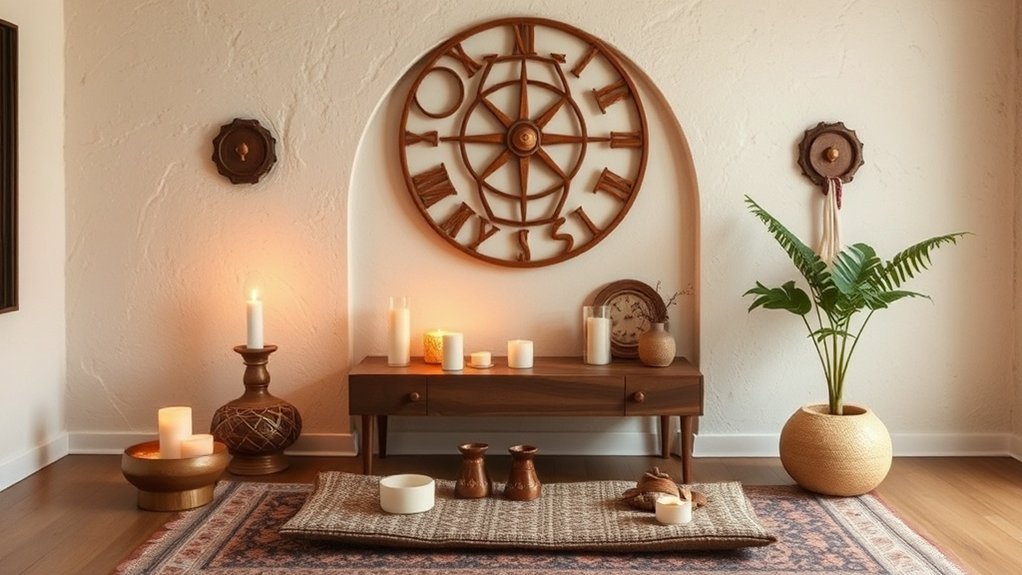
Have you ever felt a bit lost when you sit down to connect with your spiritual practice? I remember those early days when my altar felt more like a chaotic mess than a sacred space. Many of us overlook how the design of our altar impacts our connection to our spiritual work. If you’re seeking that safe, comforting space to nurture your rituals, know you’re not alone.
Without intentional design, your altar can quickly become cluttered or disconnected from your intentions. This can make it tough to find peace and focus. Trust me, I learned this the hard way. An altar that doesn’t resonate can leave you feeling unsettled, even if you’ve been practicing for years. Everyone deserves a space that nurtures emotional and spiritual safety. It should ground you every time you approach it.
So, how do you create that space? Start by taking a moment to assess what’s on your altar. What’s calling to you, and what feels like noise? This is your chance to curate a collection that truly supports your journey.
Here’s a practical step: tonight, take 10 minutes to clear your altar. Remove anything that doesn’t feel right. This simple act can be incredibly grounding. You might find that you’re left with just a few items that really speak to you. That’s enough to start.
Finding Your Intentions
Consider this: What do you want your altar to represent? Is it a place for reflection, gratitude, or perhaps a focus for manifestation? Each item you choose can carry a specific intention. For example, a candle can symbolize light and clarity, while crystals might represent grounding or protection.
In my practice, I’ve found that incorporating traditional correspondences can deepen the meaning of each item. If you’re drawn to herbs, for instance, rosemary is often associated with remembrance and protection. Just remember: if you decide to use herbs, always consult with a healthcare provider if you plan on ingesting them. Safety first!
Personal Connection
Think about this: Have you ever felt a strong pull towards a particular item? Maybe a crystal or a piece of art? That’s your intuition speaking. Trust it. When you choose items that resonate with you, your altar becomes a reflection of your unique journey.
What I wish I’d known as a beginner is how much easier it's to connect when you’re surrounded by items that truly speak to you. Take your time to explore and choose thoughtfully.
If you’re feeling stuck, consider visiting a local shop or market. Look for items that draw you in, but also think about ethical sourcing. Choose ethically mined crystals or sustainably harvested herbs. This not only respects the earth but also enhances your practice.
Next Steps
To wrap this up, I encourage you to take a few moments tonight for yourself. Sit in front of your altar. Close your eyes, breathe deeply, and allow yourself to visualize what you want it to represent.
Then, start making small changes. Maybe it’s adding a fresh flower or removing an item that doesn’t fit anymore.
Remember, your altar is a living representation of your spiritual self. It’s okay if it evolves over time. Be patient with the process. This won’t work for everyone, but trust me, you’ll find a rhythm that feels right for you.
Your sacred space is waiting. What'll you create?
The Explanation
To truly cultivate your altar space, it's essential to grasp the core influences that shape its design.
Understanding these foundational elements paves the way for creating a space that resonates with meaning and balance.
Root Causes
Creating a sacred altar space can feel like a simple task, but I remember how easy it's to overlook the deeper reasons behind our choices. Have you ever paused to consider why a particular symbol or color calls to you? Your altar is more than just a collection of items; it’s a reflection of your inner needs for comfort, connection, and safety.
When I first started, I often picked things based on aesthetics alone. Over the years, I learned that understanding the root causes of my design choices makes a world of difference. It’s not just about what looks good; it’s about what resonates with you.
Start by asking yourself: What do you need from this space? Grounding? Healing? Protection? When you get clear on these desires, your altar becomes a true sanctuary—a place where you feel secure and centered. You might find that certain objects or colors evoke feelings of peace or remind you of supportive moments in your life. That’s your intuition guiding you. Trust it.
Ready to try something tonight? Take a moment to sit quietly in front of your altar. Notice what draws your attention. Is it a candle, a crystal, or perhaps a piece of artwork? Reflect on why that item speaks to you. This simple exercise can reveal layers of meaning and deepen your connection to your space.
As you select elements for your altar, think about their traditional associations. For instance, if you’re drawn to lavender, remember its historical use for calming and protection. Just be sure to source it ethically—look for sustainably harvested herbs.
Engagement Break: Ever felt that rush of excitement when you find the perfect item for your altar? I can still remember the first time I found a small statue that resonated with my spiritual journey. It felt like finding a missing piece of myself. What’s been your experience?
Remember, your altar isn’t meant to be perfect or look a certain way. It’s a personal reflection of your journey. Some practitioners may have strict guidelines, while others embrace eclectic styles. Both paths are valid. In my practice, I learned that simplicity often brings the most clarity.
Now, here’s what I wish someone had told me as a beginner: Don’t be afraid to change things up. Your altar can evolve as you do. If something no longer resonates, it’s okay to let it go.
Next Step: This week, consider rearranging or adding one new item that feels significant to you. Reflect on its meaning and how it supports your spiritual practice. Each choice can deepen your connection to your journey. Trust the process, and enjoy the exploration.
Contributing Factors
When I first started creating my altar, I was overwhelmed by all the choices. I remember feeling like I'd to get it “just right.” But what I learned, often the hard way, is that it’s all about what resonates with you personally.
So, let’s break this down. Start by considering personal meaning. What items speak to your beliefs or experiences? Maybe it's a family heirloom or a simple rock you found on a meaningful walk. Those pieces can ground you and offer a sense of comfort. Ever felt that?
Next, think about environmental harmony. Look around your space. What colors or materials make you feel calm? It doesn’t have to be fancy—sometimes a simple cloth or a few stones can create a peaceful atmosphere. Trust me, the right colors and textures can transform your space into a sanctuary.
Then, there's practicality. Choose objects that fit into your daily life. If you have a small area, opt for fewer, more meaningful items rather than cluttering your space. After years of working with my own altar, I can tell you that simplicity often leads to clarity. Start there.
As you gather your items, pay attention to the energy they bring. Are they uplifting? Do they support your intentions? Each piece should contribute to your sense of safety and spiritual well-being.
Here’s a practical exercise: tonight, take a moment to reflect on what you have around you. Pick one item that holds personal significance and place it on your altar. If you don’t have a designated space yet, that’s okay. You can create a small corner on a table or shelf.
What I wish I’d known as a beginner is that it’s not about perfection. Your altar is a reflection of your journey, not a competition. It’s okay to change things up as you grow.
Always remember safety. If you’re using candles, make sure they’re in fire-safe containers and never leave them unattended. And if you’re working with herbs, consult a healthcare provider if you plan to ingest them.
Lastly, think about where you source your materials. Ethical practices matter. Look for sustainably harvested herbs and responsibly mined crystals. It’s a step toward honoring the traditions you’re engaging with.
What the Research Says
Having established the foundational elements that contribute to the sacredness of altar spaces, it’s fascinating to see how expert opinions converge and diverge on specific design choices.
What insights do they share, and where do their perspectives differ?
Let’s uncover the nuances in their findings.
Key Findings
Key Findings for Creating Your Sacred Altar
Have you ever found yourself overwhelmed while trying to create a sacred space? I remember those early days—so much pressure to get everything perfect. What I wish someone had told me is that simplicity and intention matter more than anything else.
Let’s explore some practical ways to create a meaningful altar that feels right for you.
Start with natural materials. Wood and stone can bring a grounding energy that helps you feel secure. You don’t have to go all out; even a small wooden box or a stone you found on a walk can do wonders.
Ever felt that connection to nature? It’s powerful.
Lighting is another essential element. Soft, warm lighting creates a calming atmosphere, inviting you to settle in. Try using candles in fire-safe containers, and remember to never leave them unattended.
If candles aren’t your thing, consider warm-colored lamps or fairy lights.
Now, let’s talk about clutter. I learned this the hard way: too many items can distract you from your practice. A clutter-free altar can help foster focus and deepen your spiritual connection.
Start with just a few meaningful objects. Maybe a photo, a crystal, or even a simple flower. It’s all about what resonates with you.
Don't forget to personalize your space. Including items that hold personal significance brings a sense of comfort. This could be anything from a small token from a loved one to a piece of art that inspires you.
Your altar should reflect who you are and what you value.
Positioning is crucial, too. Find a quiet, stable spot for your altar where you can return consistently. This helps create a routine, making it easier to connect with your practice.
Trust the process; the more you use it, the more it will feel like a sanctuary.
So, ready to give it a try tonight? Start by choosing one natural material or light source, and pick a few meaningful items to include. That’s enough to begin your journey.
Remember, this won’t work for everyone, and that’s perfectly valid. Be patient with yourself as you build your practice.
Your Next Steps
- Choose a Location: Find a quiet spot in your home.
- Gather Materials: Look for natural items like wood or stone, and think about lighting.
- Select Meaningful Objects: Choose 3-5 personal items to include.
As you begin this process, keep in mind that your altar is a reflection of your unique journey. Each choice you make is a step towards creating a space that nurtures your spirit.
Where Experts Agree
Creating a sacred altar can feel overwhelming at first, can’t it? I remember starting out, trying to find the right items and wondering if I was doing it “right.”
Here’s the thing: it doesn’t have to be complicated. Start simple. Choose a few meaningful items that resonate with you. Maybe it’s a stone gathered from a favorite hike, a candle that reminds you of home, or a small plant that brings you joy.
When you arrange these items with intention, you’re not just creating a space; you’re cultivating a sense of calm and safety. I learned this the hard way — a cluttered altar can distract you during your practice. Keep it clean and intentional. A clear space can help you maintain focus. Trust me, it makes a difference.
Natural elements are wonderful for grounding. Candles, stones, or even a bit of greenery can connect you to the earth. Just a quick safety note: if you’re using candles, always place them in fire-safe containers and never leave them unattended. It’s a simple step, but it matters.
Soft lighting can also enhance your space. Think about where you place your altar — make sure it feels comfortable and secure. This should be a sanctuary for you, a place to return to daily.
Ever felt that sense of peace wash over you when you step into a space you love? That's what you're aiming for.
Using objects that resonate personally is key. What I wish I’d known as a beginner is that your altar doesn't have to look like anyone else's. It should reflect *you*. This is your personal practice, and it can evolve as you do. Don't hesitate to let it change over time.
Ready to try something tonight? Pick one item that speaks to you and place it on your altar. Take a moment to breathe and connect with it. What feelings does it bring up? Start there. That’s enough for now.
As you build this space, remember to be patient with yourself. Results vary, and that’s perfectly okay. Some practitioners might've different opinions on what makes a great altar, and that’s valid too. Just find what resonates with you.
Once you’ve got your item in place, consider adding a daily ritual. Light your candle and take a few deep breaths, focusing on your intentions for the day. This small practice can help center you and nurture your spiritual growth.
You’ll find that over time, your altar will become a safe haven for reflection and peace.
What’s one item you’d like to include in your space? Share your thoughts — I’d love to hear about your journey!
Where They Disagree
Creating a sacred altar space can feel overwhelming, especially when you’re just starting out. I remember my first attempt—so many choices, so much advice! It’s easy to get lost in the details. But here's the good news: you can trust your instincts. Start with what resonates with you.
When setting up your altar, think about direction. Some folks swear by facing it north for grounding energy, while others prefer east to greet the sunrise. What feels right to you? Experiment and see where your intuition leads.
As for what to place on your altar, consider natural items like crystals and plants, which can bring a sense of life and connection. However, if personal artifacts hold more meaning for you, don’t hesitate to use those. Remember, there’s no one-size-fits-all here—your altar should reflect your unique journey.
Now, let’s talk safety. If you’re using candles, make sure they’re in fire-safe containers and never leave them unattended. I learned this the hard way after a close call.
And if you’re working with herbs, consult a healthcare provider first, especially if you’re pregnant or on medication. Safety first, always.
So, what do you want your altar to represent? Is it a space for reflection, gratitude, or maybe intention-setting? Take a moment to jot down what feels important to you. That’s enough for now. Trust the process and allow your space to evolve.
Once you’ve set up your altar, take a moment each day to connect with it. Light a candle, sit quietly, and feel the energy of your space. It doesn’t have to be elaborate—just a few moments of presence can make a difference. You might find this practice deepens your connection over time.
What I wish I’d known as a beginner is that it’s okay to make changes. Your altar can grow and shift just like you do. Embrace that fluidity, and don’t be afraid to swap out objects or rearrange things as you feel called.
Ready to give it a go tonight? Gather a few items that resonate with you—maybe a crystal, a plant, or something that holds personal significance. Arrange them in a way that feels good. That’s your starting point. You got this!
Practical Implications
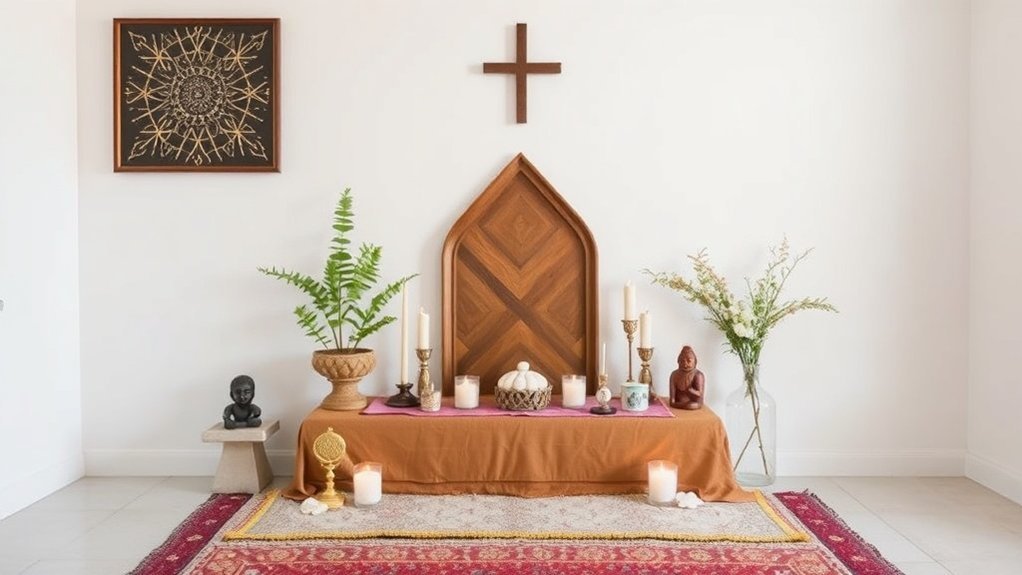
Choosing elements that resonate personally and foster a peaceful atmosphere is just the beginning.
The real challenge lies in avoiding clutter and distractions that can disrupt your focus.
With that foundation established, let’s explore some straightforward steps to create a truly meaningful and functional altar space.
What You Can Do
Creating a sacred altar space can feel overwhelming at first, right? I remember my early days, filled with doubt and a dash of excitement. It took time to figure out what truly resonated with me. But trust me, you can start small and build from there. Here’s a practical way to create your own nurturing space tonight:
- Find Your Spot: Look for a quiet corner where you can feel secure and undisturbed. It doesn’t have to be fancy; just a place that supports calm and focus. Maybe it’s by a window or on a little table in your bedroom. Start there.
- Choose Meaningful Items: Gather a few items that speak to you—perhaps a crystal that catches your eye, a candle, or a symbol that holds personal significance. Arrange them in a way that feels good to you. This isn’t about aesthetics; it’s about connection. Ever felt that spark when holding a special item? That’s what you want to cultivate.
- Keep It Clean: Regularly clean your altar. A clutter-free space invites clarity and tranquility. You might even want to incorporate a little ritual when you do this. I learned this the hard way—keeping my space tidy made a world of difference in my practice.
Take a moment to reflect on what you want this altar to represent. Is it a space for gratitude, healing, or maybe a connection with nature? Whatever it is, that intention will guide your choices.
Safety First
If you’re using candles, make sure they’re in fire-safe containers and never leave them unattended. And if you’re thinking about incorporating herbs, check in with a healthcare provider, especially if you're pregnant or on medication.
A Personal Note
After years of working with various traditions, I’ve come to appreciate the importance of sourcing materials ethically. Look for crystals from responsible miners or herbs that are sustainably harvested. It matters more than you might think.
Engagement Break
What’s one item you’re thinking of adding to your altar? Share your thoughts!
Bringing It All Together
Remember, your altar is a reflection of you. There’s no right or wrong way to do this. Trust the process and take your time.
What I wish I’d known as a beginner is that it’s okay to change things up. Your altar can evolve just as you do.
If you’re ready to give it a try tonight, start with just one meaningful item and a quiet moment of reflection. You’ve got this.
What to Avoid
Setting up your altar can feel like a big deal, can't it? I remember my first attempts — it was so easy to get carried away, filling the space with all sorts of items. But trust me, less is often more. Overcrowding can make it tough to focus and disrupt the calm energy you want to cultivate.
Start by choosing a few meaningful pieces that resonate with you. Maybe it’s a special stone, a candle, or a small item that carries significant memories. Take a moment to connect with each piece. That’s enough for now.
Safety is key, especially if your altar's in a busy spot. I learned this the hard way: avoid anything sharp or unstable that could lead to accidents. You wouldn’t want a mishap to take away from your sacred space.
And keep fire safety in mind — don’t place flammable materials near candles or incense. It's a simple step that can save you a lot of worry.
Keep your altar clean and clear of dust. I find that neglecting this can drain the energy of the space. How does it feel when your space is tidy versus cluttered? You might be surprised at the difference.
And picking a quiet spot is crucial. A noisy environment can really throw off your vibe. Choose somewhere you feel secure and undisturbed.
What I wish someone had told me as a beginner is to trust the process. Creating this space is personal; it’s about what feels right for you. So, take your time.
Now, here’s a practical tip for tonight: Find a quiet corner in your home and gather just three items that speak to you. Light a candle (safely, of course!), and spend a few moments simply being with those items. Notice how they make you feel.
Comparison of Approaches
Designing your sacred altar space can feel like a daunting task, can’t it? I remember when I first started, feeling overwhelmed by the choices. It’s a personal journey, and there’s no one-size-fits-all answer. You might be wondering what resonates with you. Here’s a practical comparison of different approaches to help you find your way.
| Approach | Benefits | Challenges |
|---|---|---|
| Minimalist | Easy to maintain, calming | May feel sparse |
| Traditional | Rich symbolism, familiar | Can be cluttered |
| Nature-based | Grounding, promotes peace | Needs regular upkeep |
| Modern | Flexible, creative | Might lack sacred feel |
| Eclectic | Personal, expressive | Risk of feeling chaotic |
Start there. Each approach has its own rhythm and vibe. You might find that minimalism brings you peace, or perhaps you feel a pull toward more traditional elements that speak to your roots.
Minimalist Approach
Keeping it simple can be powerful. I learned this the hard way — less really can be more. A few meaningful items can create a calming space. But if you’re not careful, it might feel a bit too empty. Ask yourself: does this space reflect who I am?
Traditional Approach
If you’re drawn to rich symbolism, traditional methods can feel very comforting. There’s something about familiar rituals that can ground you. Just be mindful of clutter. It’s easy to accumulate items, and soon your altar might feel more chaotic than sacred. What resonates with you?
Nature-Based Approach
Bringing elements of nature into your altar can be incredibly grounding. After years of working with herbs and stones, I find that they can foster peace and connection. However, remember that nature requires care. You might need to tend to these elements regularly, so consider if you have the time for that commitment.
Modern Approach
If you like to be creative, a modern approach might suit you well. It allows for flexibility and personal expression. Just be cautious; sometimes, the sacred gets overshadowed by the aesthetic. Does your altar feel like a true reflection of your practice?
Eclectic Approach
This one’s for the free spirits — it’s all about personal expression. You can mix and match elements that resonate with you. But be careful; it’s easy to let this approach feel chaotic. Ever felt that? Finding balance within your eclectic space is key.
What I Wish I’d Known
When I began, I didn’t realize how important it was to choose items that spoke to me personally. I often felt pressured to follow trends or what others deemed “sacred.” Trust your instincts; your practice is uniquely yours.
Practical Steps to Get Started
- Choose a Space: Find a quiet corner that feels good to you.
- Select Items: Think about what resonates with your spirit — a candle, a crystal, or a piece of nature.
- Set an Intention: Before you place anything, meditate on what you want this space to represent for you.
- Arrange Thoughtfully: Don’t rush. Let the arrangement unfold naturally. That’s enough.
- Regularly Refresh: Make it a practice to revisit your altar. You might find that your needs change over time.
Ready to try? Take a moment tonight to clear a small space for your altar. You don’t need everything perfect right away. Just trust the process and see what feels right for you.
Key Takeaways
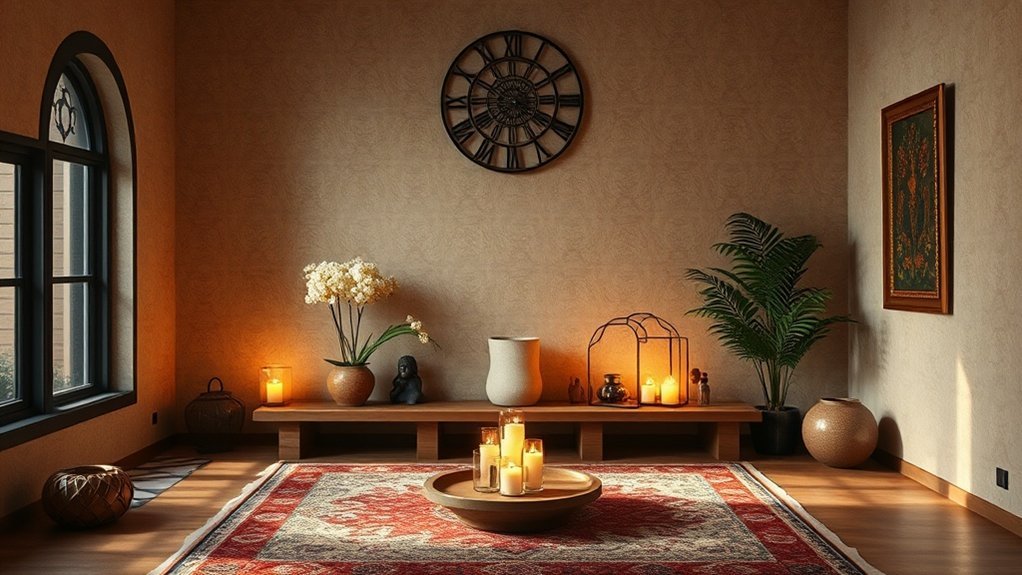
Creating a sacred altar can feel like a big undertaking, especially when you’re just starting out. I remember my first attempts—how overwhelming it all seemed. But here’s the good news: it doesn’t have to be complicated. If you’re ready to carve out a meaningful space that feels safe and inspiring, let’s break it down together.
1. Personalize with Intention****
Choose items that resonate with you. This might be a crystal, a candle, or a meaningful photograph. What speaks to your heart? In my practice, I always found that the things I felt most connected to brought me the deepest comfort. Start there. Trust your instincts.
2. Prioritize Simplicity****
An altar can become cluttered quickly. I learned this the hard way! A clear, uncluttered space allows your mind to focus. It’s about creating peace, not chaos. Try this tonight: take a moment to clear your space. Just a few meaningful items can be enough.
3. Create Consistency****
Rituals help build a sense of safety. Establish a routine around your altar, whether it’s lighting a candle every morning or spending a few minutes in reflection. This practice can nurture your spiritual growth. What’s one small thing you could do regularly?
Remember, this journey is yours. Some practitioners may have different views, and that’s completely valid. What works for you mightn't resonate with someone else, and that’s okay. Be patient—results vary, and it takes time to find your flow.
Practical Tip:
Consider lighting a candle on your altar. If you do, make sure it’s in a fire-safe container and never leave it unattended. Safety first!
There’s a world of wisdom in traditional practices, but don’t feel pressured to follow them all. Explore what feels aligned with you. I often wish someone had told me that it’s okay to blend traditions or even create your own.
As you start this journey, trust yourself. Your altar is a reflection of you, and there’s no right or wrong way to create it. Ready to try? Start with what you have, and let your heart guide you.
Frequently Asked Questions
What Materials Are Best for Cleaning a Sacred Altar?
Q: What materials should I use to clean my sacred altar?
Use soft, natural materials like a microfiber cloth or a gentle cotton rag to clean your altar.
To avoid damaging delicate items or disrupting energy, stick with distilled water or a mild, natural cleaner like diluted white vinegar.
Always dry surfaces thoroughly to prevent moisture damage.
Q: Can I use harsh chemicals to clean my altar?
No, harsh chemicals can damage your altar’s items and disrupt the energy.
Focus on gentle, natural cleaning solutions instead. This approach ensures your space remains energetically clear and safe, which is essential for maintaining your spiritual practice.
Q: Are there specific cultural practices I should be aware of when cleaning my altar?
Yes, it's important to respect the traditions connected to your altar.
If your altar incorporates elements from specific cultures, consider learning from practitioners within that tradition about appropriate cleaning methods and materials.
This helps honor the practices and beliefs tied to your sacred space.
How Often Should I Change Items on My Altar?
Q: How often should I change items on my altar?
You should change items on your altar every few weeks or monthly, depending on your spiritual needs.
If something feels energetically stagnant or doesn’t resonate anymore, it’s a good time to refresh. Always handle items gently and cleanse them before placing new ones to maintain a respectful space.
Trust your intuition—your altar reflects your journey.
Q: What should I do with items I’m removing from my altar?
You can either cleanse and repurpose them or respectfully dispose of them, depending on their significance.
If they carry spiritual energy, consider burying them or placing them in natural water. Always treat these items with respect, as they may hold meaning or memories for you.
Q: Is it okay to include items from various cultures on my altar?
It's important to respect cultural traditions when choosing altar items.
If you're drawn to specific practices, learn from practitioners within those traditions to honor their significance. Mixing items without understanding can lead to cultural appropriation, so approach with mindfulness and respect.
Q: Do I need to perform any rituals when changing items on my altar?
You don’t need to perform elaborate rituals, but taking a moment to set your intention can be beneficial.
You might light a candle or say a prayer while making changes. This helps create a focused energy in your space. Always ensure fire safety when using candles.
Q: Can I use essential oils on my altar?
Yes, you can use essential oils, but be cautious.
Some oils may not be safe during pregnancy or if you have certain health conditions. Always consult a healthcare provider before using oils, especially if you plan to diffuse them or apply them directly.
Use them mindfully to enhance your practice.
Can Outdoor Spaces Be Used as Sacred Altars?
Q: Can I use outdoor spaces as sacred altars?
Yes, you can definitely use outdoor spaces as sacred altars. To start, choose a spot that feels safe and inviting, like a cozy nook in nature. Incorporate natural elements such as stones, flowers, or feathers to ground your altar.
Just be mindful of your surroundings and ensure your space is secure, so you can focus on your spiritual practice without distractions.
Q: How do I choose the right location for my outdoor altar?
Select a location that feels peaceful and protected. Look for areas where you feel a sense of comfort, like under a tree or near a flowing stream.
Make sure the spot is free from disturbances and is safe to access. Always be aware of local wildlife and environmental conditions to maintain your safety while you connect with nature.
Q: What should I include on my outdoor altar?
You can include natural elements like stones, flowers, feathers, and even small personal items that hold meaning for you.
Each element should resonate with your intentions and help create a sacred atmosphere. Just remember to respect the environment by not taking items from nature without permission, especially in protected areas.
Q: Are there any safety concerns for using candles on my altar?
Yes, if you plan to use candles, always prioritize fire safety. Choose a stable surface, keep candles away from flammable items, and never leave them unattended.
If there’s a risk of wind or rain, consider using battery-operated candles instead to maintain your altar's spirit without the hazards of an open flame.
Q: Can I use essential oils at my outdoor altar?
Yes, you can use essential oils to enhance your outdoor altar experience.
Just be cautious about any allergies or sensitivities, and consult a healthcare provider if you're pregnant or have health concerns. Always use oils safely and consider how they might affect local wildlife, keeping your practice harmonious with nature.
Are There Specific Colors Recommended for Altar Cloths?
Q: What colors should I use for my altar cloth?
Yes, choose colors that feel safe and calming to you. White represents purity, while blue promotes peace. Earth tones like brown or green can help you feel grounded.
Trust your intuition and pick colors that make you feel secure. Remember, your altar is a sacred space, so its colors should support your spiritual focus and well-being.
Q: Are there cultural meanings behind altar cloth colors?
Yes, different cultures have specific meanings for altar colors. For example, in some traditions, red symbolizes strength, while purple represents spirituality.
It’s best to learn from practitioners within those traditions to understand their significance. This ensures respect for their practices and beliefs while you create your personal sacred space.
How Do Different Cultures Design Altar Spaces?
FAQ on Designing Altar Spaces
Q: How do I start creating an altar space?
Yes, you can create an altar space by gathering items that resonate with you, like candles, flowers, or meaningful symbols.
Start with a clean, quiet area and arrange your items thoughtfully. Remember to respect the traditions of the items you choose, and if you’re unsure about specific practices, consider learning from practitioners within those traditions.
Q: What should I include on my altar?
You can include items that hold personal significance, such as photographs, crystals, or spiritual texts.
Think about what represents your beliefs and intentions. Just be mindful of fire safety if you’re using candles—never leave them unattended and place them on a stable surface.
Q: Can I use essential oils on my altar?
Yes, using essential oils can enhance your altar space, but make sure to check for any pregnancy contraindications or allergies.
Always dilute them properly before use and consult a healthcare provider if you're unsure about any health concerns related to essential oils.
Q: Is there a specific way to arrange items on my altar?
Yes, there's no one right way, but a balanced and harmonious arrangement is key.
You might place larger items at the back and smaller ones in front. Trust your intuition, and remember to keep safety in mind if using any items that could pose a risk, like candles or sharp objects.
Q: Can I incorporate elements from different cultures?
No, it’s important to respect the cultural significance of specific practices and items.
While you can be inspired by various traditions, it’s best to learn from practitioners within those cultures to avoid appropriation. This ensures your altar honors the original context and meaning behind the elements you choose.
Conclusion
Creating a sacred altar space invites a deeper connection to your spiritual practice. Tonight, light a single white candle and hold the intention for three minutes, focusing on the peace it brings. Afterward, take a moment to journal one sentence about what you felt during that time. This simple act can help you center your thoughts and emotions, grounding you in clarity. Trust that this small ritual can open doors to deeper reflection in your daily life. Start there. That's enough. You’re on the right path.