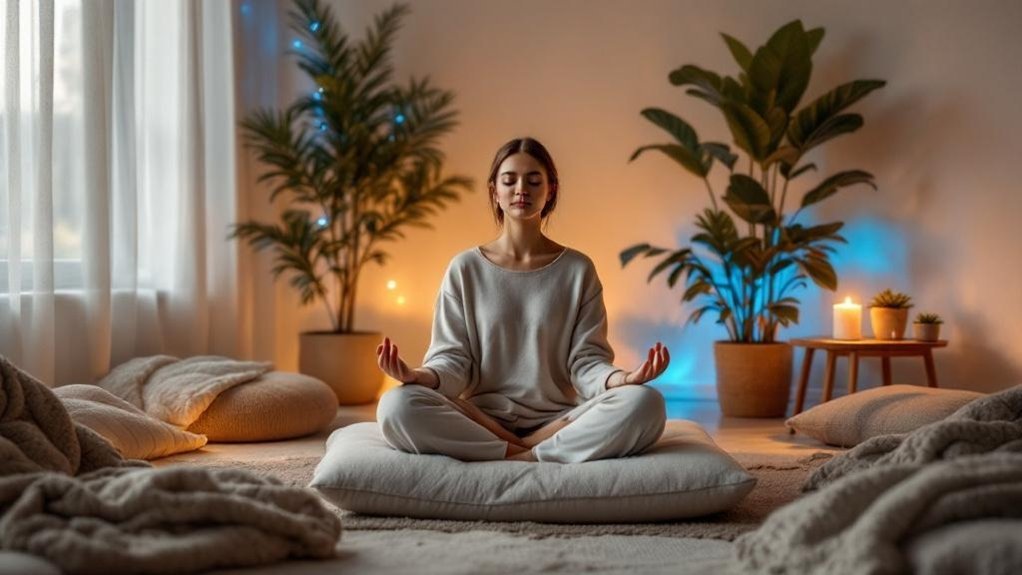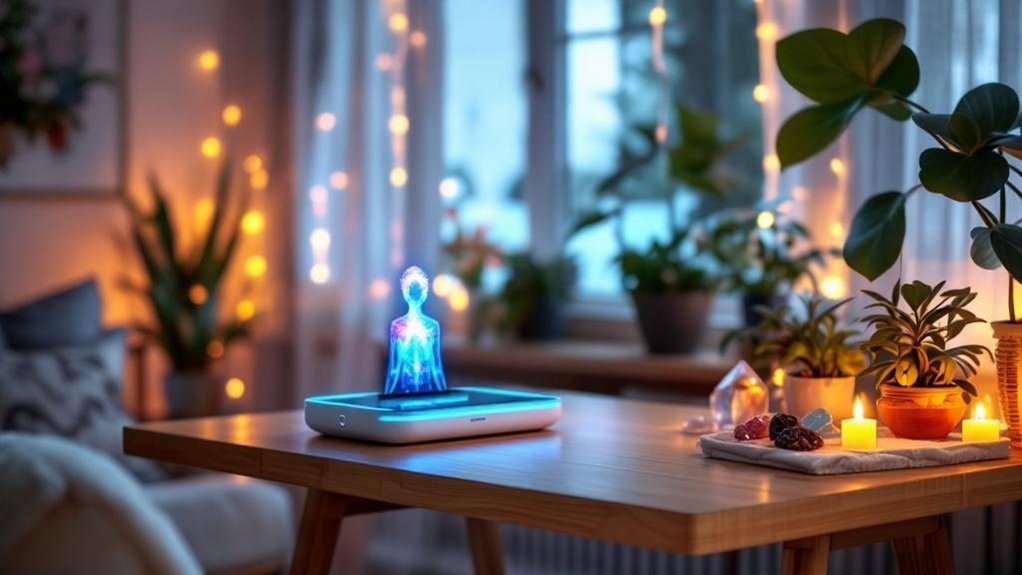
Have you ever caught yourself feeling a sudden shift in your mood during a ritual? I remember the first time I tried to connect with my aura—I was overwhelmed and confused by the colors I sensed. Tonight, you'll learn how to identify those subtle hues and what they reveal about your emotional state. After a decade of practice, I can tell you that understanding your aura can bring clarity and balance into your life. So why not take a moment to tune in? Start there. Trust this, and let’s explore together.
Key Takeaways
- Observe your aura colors daily using a mirror or photograph — this practice helps you tune into your emotions and identify shifts in your energy.
- Spend 10 minutes each morning practicing deep breathing — this enhances your connection to your aura and promotes emotional clarity throughout the day.
- Track changes in your aura colors weekly to understand how your mood and environment impact your energy — this insight supports personal growth and emotional healing.
- Incorporate a grounding exercise for 5 minutes before bed, like standing barefoot on the earth — it stabilizes your aura and prepares you for restful sleep.
- Meditate for 15 minutes twice a week focused on balancing your aura — regular practice promotes spiritual growth and helps maintain emotional equilibrium.
Introduction
Understanding Aura Colors
Have you ever noticed how your mood shifts, and you wonder if it shows on your skin? I remember the first time I started exploring aura colors. It felt like peeking into a hidden part of myself. Aura colors can seem mysterious, but they offer a window into your emotions and energy. When you learn to recognize these colors, it’s like having a personal compass for your inner state.
Exploring aura colors is like discovering a hidden compass that reveals your emotions and energy.
Try this tonight: Take a moment to sit quietly, maybe with a cup of tea. Close your eyes and visualize your aura. What colors come to mind? Notice how they resonate with your feelings. Start there.
In my practice, I’ve found that our aura acts like a gentle shield, reflecting how we feel inside. It helps you stay aware of your energy balance. This awareness can guide you in protecting yourself emotionally and physically, creating a safer space for your mind and body.
Ever felt that sudden shift in your mood? Maybe you were in a crowded place, and the energy felt off. Recognizing those feelings can help you navigate your day-to-day life. As you explore aura colors, you’ll start to pick up on patterns that guide you toward calmness and liveliness.
Here’s a simple exercise: When you feel your energy dip, take a moment to check in with your aura. Visualize it. What color do you see? If it’s dull or heavy, consider what might be weighing you down. This isn’t about judging yourself; it’s just observation. Trust the process.
What I wish I’d known as a beginner is that understanding your aura isn't a race. It takes time, and that’s okay. Some practitioners might see colors differently, and that’s valid. Your interpretation is what matters most.
As you continue this journey, remember to respect the origins of the practices you encounter. Some traditions are closed or semi-closed, and it’s essential to seek guidance from practitioners within those communities.
Final Tip: If you're curious about colors and want to dive deeper, consider keeping a journal. Note the colors you see and how you felt that day. Over time, you'll notice patterns that can inform your self-care practices.
This won’t work for everyone, and that's perfectly normal. Be patient with yourself and enjoy the exploration.
The Problem
You mightn't realize how much aura colors impact your emotional and physical well-being. Understanding these colors can help you identify hidden issues affecting your life. This knowledge matters because it touches everyone, whether you’re aware of it or not.
Why This Matters
Why Understanding Aura Colors Matters
Ever had that feeling where something just isn’t quite right, but you can’t put your finger on it? I remember feeling that way when I first started exploring aura colors. Tuning into these colors can reveal hidden aspects of your emotional and spiritual well-being, helping you understand feelings you mightn't fully recognize.
Here's a simple way to begin: Take a moment tonight to sit quietly. Close your eyes, breathe deeply, and visualize the colors around you. What do you see? If colors come to mind, jot them down. This exercise can be a gentle guide to areas in your life that need a little extra care.
Understanding your aura isn’t about perfection; it’s about awareness. In my practice, I learned this the hard way—ignoring those subtle signals can leave you feeling unbalanced or disconnected. You'll find that addressing stress or unresolved emotions becomes much easier when you pay attention to what your aura is telling you.
Think of it as nurturing yourself with kindness. Start there. Just being aware of your aura creates a safe space within you, promoting healing and personal growth.
Practical Steps to Connect with Your Aura
- Set the Scene: Find a quiet space where you won’t be disturbed. Light a candle in a fire-safe container, but never leave it unattended.
- Breathe: Take a few deep breaths. Inhale positivity, exhale tension.
- Visualize: Close your eyes and picture colors swirling around you. What colors stand out?
- Reflect: After visualizing, write down any colors and feelings that came up.
- Research: Look up the meanings of those colors. For example, blue often relates to communication, while yellow can signify joy and clarity.
I wish someone had told me early on that it’s okay if you don’t get clear images right away. Trust the process. You mightn't see colors vividly at first. That's enough for now.
Questions to Consider
What do you think your aura colors might say about you? Have you noticed any patterns in your feelings when specific colors come up?
As you explore this further, remember that this won’t work for everyone. Some practitioners have different interpretations of aura colors, and that’s valid. Be patient—results vary, and that’s part of the journey.
Final Thoughts
Understanding your aura creates an opportunity for deeper self-awareness. As you learn more, you empower yourself to make choices that support your overall harmony.
This is about your journey toward emotional and spiritual health, and it can be a fulfilling one.
Who It Affects

Who It Affects
Ever noticed how some days feel lighter, while others seem heavy? You might be feeling the shifts in your aura, even if you don’t realize it. Your aura reflects your emotions, thoughts, and energy, and believe me, it can impact how you engage with the world around you.
When those colors change, so can your mood and energy levels.
Here’s a practical tip: Take a moment tonight to check in with yourself. Sit quietly, close your eyes, and take a few deep breaths. How do you feel? What colors come to mind? Start there. It’s a simple way to increase your awareness of your own energy and what you’re sending out into the world.
Remember, your energy doesn’t just affect you; it ripples out to those around you too. Have you ever felt tension in a room? Or perhaps a wave of calm after someone enters? That’s the power of aura colors at play. Understanding this can help you protect your personal space and maintain emotional safety.
Practical Steps to Nurture Your Aura
In my practice, I learned that nurturing positive energy can really transform your day-to-day experience. Here are some straightforward steps you can try:
- Ground Yourself: Stand or sit comfortably. Feel your feet on the ground. Imagine roots growing from your feet deep into the earth. This can help anchor your energy and create a strong foundation.
- Meditate on Colors: Visualize colors that resonate positivity for you. Picture them surrounding you like a warm hug. Hold that vision for a few minutes. What do you feel?
- Set Boundaries: If you sense negativity creeping in, it’s okay to set boundaries. Visualize a protective bubble around you. This isn’t about blocking people out; it’s about creating a safe space where you can thrive.
This practice won’t work for everyone, and that’s okay. We’re all on our unique journeys. What I wish I’d known as a beginner is that it’s perfectly fine to experiment and find what resonates with you.
Reflect and Engage
Have you felt the impact of your aura in a specific situation? Maybe during a conversation or while spending time with friends? Share those moments with yourself. They’re valuable insights into your energy patterns.
As you explore this, remember to be patient with yourself. Results can vary, and some practitioners might have different takes on aura work. That diversity is what makes this practice rich and fascinating.
Next Steps
To wrap things up, try this tonight: Write down three colors that resonate with you and what they mean to you. Spend a few minutes visualizing those colors in your aura.
This simple exercise can help you connect more deeply with your energy and set the tone for your day ahead.
And remember, trust the process. Your journey with your aura is unique to you, and every step counts.
The Explanation
To truly comprehend the significance of aura colors, it's essential to consider their underlying causes.
Understanding the factors that influence these colors not only enriches your perspective but also reveals why they shift in different contexts.
With this knowledge, we can now uncover what shapes your aura and the impact it has on your life.
Root Causes
You know that feeling when your emotions are all over the place, and you just can’t quite put your finger on it? That’s where aura colors come into play. They reflect the energies and emotional states swirling within you. Ever felt that? When you’re calm and balanced, your aura glows with soothing, stable colors. But if you’re stressed or fearful, those colors can shift to darker, more intense shades. It's like your inner world is speaking to you through color.
What I wish someone told me when I started is that these colors aren’t just pretty visuals; they’re signals. By tuning into them, you can better understand your emotional and spiritual state. This awareness lets you address any discomfort or imbalances gently. Start there. You don’t need to jump into complex meditations right away. Just notice how you feel and what colors come to mind.
In my practice, I learned the hard way that ignoring these signals can lead to bigger issues down the line. Trust the process. Your aura is a natural expression of your energy, and understanding its colors can offer a safe way to connect with yourself on a deeper level.
Try This Tonight: Take a moment to sit quietly and close your eyes. Breathe deeply. Picture a color that resonates with how you feel right now. Is it bright and vibrant, or dark and muted? Just observe it without judgment. That’s enough for today.
Remember, exploring your aura colors is personal. There’s no right or wrong here; it’s all about what resonates with you. Some practitioners suggest keeping a journal to track the colors you sense over time. This can help you see patterns and shifts in your energy. Be patient—results vary, and that’s perfectly okay.
As you get comfortable with this practice, think about the sources of your colors. Are they tied to specific feelings or experiences? Reflecting on this can deepen your understanding. Just be mindful: if you’re using herbs or crystals in your practice, always check for ethical sourcing and, if needed, consult a healthcare provider.
If you’re curious about the colors you see, consider reaching out to a practitioner familiar with aura reading. They can provide insights tailored to your unique experience. Remember, there’s a community out there ready to support you on this journey.
And as you explore, be gentle with yourself. Not every day will feel bright and colorful, and that’s perfectly normal. The key is to keep showing up for yourself, one small step at a time.
Contributing Factors
Ever noticed how your mood can shift the colors you see in your aura? It’s fascinating, isn’t it? I remember when I first started exploring auras; I was often confused by what I saw. The truth is, several factors influence those colors. Let’s break them down together, so you can feel a bit more grounded in your own energy field.
- Emotional State: Your feelings are like a paintbrush, coloring your aura. Happy days? Bright colors. Stress? Darker hues. It’s a reflection of what’s happening inside. So, when you notice a change, pause and check in with your emotions. Ever felt that?
- Physical Health: Your body’s condition can brighten or dull your aura. When I was unwell, I saw this firsthand. A vibrant aura is often linked to wellness, while illness can lead to a muted energy field. It’s a reminder to care for yourself. Trust your body—it knows.
- Environment: The spaces you spend time in, including the people around you, play a huge role in your energy. Negative energy can cling, while supportive environments can uplift your aura. Try to surround yourself with positivity. Start there.
- Spiritual Practices: Engaging in meditation, prayer, or energy work can help cleanse and balance your aura. I learned this the hard way—finding balance took practice. If you’ve never tried, give it a go tonight. Just a few minutes of focused breathing can make a difference.
As you explore these factors, remember: this won't work for everyone. Be patient with yourself. Results vary, and that’s okay. What I wish I’d known as a beginner is that it's all about personal interpretation. Your experience is valid, and there’s no right or wrong way to perceive your aura.
So, what’s your next step? Try a simple grounding practice tonight. Sit comfortably, close your eyes, and take a few deep breaths. Visualize your aura—what colors do you see? What emotions come up? Write it down. This reflection can help you recognize patterns over time.
Keep exploring, and trust the process. You're on your way!
What the Research Says
Research on aura colors reveals some intriguing insights, yet experts often hold differing views.
As we explore these varying perspectives, consider how this diversity of opinion shapes our understanding of the topic and what it means for your own exploration.
Key Findings
Research into aura colors offers some eye-opening insights into our emotional and physical states. Ever felt a sudden shift in your mood? That could be reflected in your aura. For instance, vibrant blues often indicate calmness and clarity, while reds might signal strong energy or stress. This awareness can be a gentle reminder to check in with yourself.
When I first started exploring aura colors, I wish someone had told me how much they can change from day to day. That fluctuation is important; it shows us where we might need a little extra care. So, if you notice your colors shifting, don’t panic. Instead, take a moment to breathe. Trust the process.
To get started tonight, try this: find a quiet space, close your eyes, and take a few deep breaths. As you do, visualize the colors that come to mind. What do they say about your current state? Jot down your thoughts. It’s all about building that self-awareness, and this simple practice can be a great first step.
As you engage with these colors, remember to approach them with openness. It’s not about right or wrong; it’s about your personal interpretation. And while this is a growing area of research, it’s essential to keep in mind that everyone's experience is unique. Some practitioners might approach it differently, and that’s perfectly okay.
What I learned the hard way is that our auras can be influenced by our surroundings, too. Spend time in nature, or even in a bustling café, and notice how those environments shift your energy. After years of practice, I’ve found that taking just a few moments to reconnect with myself can make all the difference.
So, don't forget to check in regularly. If you feel a shift, take a gentle step back, breathe, and ask yourself what you need in that moment. Remember, this practice is about you and what resonates with your journey.
For those looking to explore further, consider using ethically sourced crystals or herbs that resonate with your aura colors. Just ensure you consult with a healthcare provider if you’re thinking about ingesting any herbs. Safety first!
To wrap this up, I encourage you to keep it simple. Start with one color that resonates with you. Reflect on it, and see how it aligns with your emotional state. That’s enough for now. You’re on your path, and every little bit counts.
Where Experts Agree
Absolutely! Let’s reshape that text with a warm, approachable vibe.
—
Ever notice how certain colors just seem to resonate with your feelings? I remember when I first started exploring auras; I was both fascinated and overwhelmed. It’s easy to misinterpret what you see, but here's a comforting truth: the colors of your aura reflect your emotional and physical state.
Take blue, for instance. It often signifies calmness and clarity. Red? It can signal energy or even stress. In my practice, I’ve found that these colors can provide valuable insights into what’s going on inside. It’s like a gentle nudge to pay attention to yourself.
Want to try something tonight? Sit quietly for a few minutes and focus on your breath. As you do, visualize the colors that come to mind. What do they mean to you? Start there. That’s enough for now.
Recognizing shifts in your aura can alert you to changes in your mood or health. This is where mindfulness comes in. When I began tuning into these colors, I learned to listen to my body more closely. It can be a powerful tool for self-care.
But remember, this practice is complementary—never a substitute for professional advice. Always prioritize your well-being.
Have you ever felt a sudden change in your aura? It can be surprising! In my early days, I often dismissed those feelings. Now, I encourage you to embrace them. Trust the process of learning and growing.
As you explore, keep in mind the importance of ethical practices. If you're drawn to crystals, ensure they’re sourced responsibly. The same goes for herbs—consult with a practitioner if you plan to use them, especially if you have health concerns.
What I wish I’d known as a beginner is that everyone’s experience with auras is unique. Some colors might hold different meanings for you than for others. That's perfectly valid.
Ready to dive deeper? Try keeping a journal of your aura observations. Note the colors you see and how you felt at that moment. Over time, you’ll start to notice patterns.
So, grab a cozy spot tonight. Take a deep breath. Be curious, be kind to yourself, and let the colors guide you.
—
Feel free to tweak any part further to match your personal style!
Where They Disagree
Even after years of working with aura colors, I still remember the confusion I felt as a beginner. You might feel it too: one expert says red represents anger, while another insists it’s about passion. It can be overwhelming, right?
Here’s the thing—there’s no universal agreement on these meanings. So, when you’re diving into aura readings, take a breath. Trust your intuition first.
Research hasn’t backed these interpretations with solid scientific evidence, so it’s wise to approach them with an open but cautious heart. Think of aura colors like a suggestion rather than a rule. They can be a helpful tool for self-reflection, but they shouldn’t dictate your health decisions. I learned this the hard way—never rely solely on them.
Want to start tonight? Try this: Find a quiet space and sit comfortably. Close your eyes and visualize the colors that resonate with you. What feelings do they evoke? Keep a journal of your experiences. This simple practice can help you connect more deeply with your own energy.
Remember, your safety comes first. If you’re facing serious concerns, always consult a qualified professional. Aura readings can add layers to your understanding, but never forget they’re just one piece of the puzzle.
Ever felt a color resonate with you? That’s your intuition at work. As you explore more about auras, ask yourself what each color means to you personally. This is where the magic happens—your unique interpretation is valuable.
A note on sourcing: If you’re using crystals or herbs in your practice, consider their origins. Ethical crystal mining and sustainable herb harvesting matter. Choose alternatives to endangered plants whenever possible.
As you experiment with aura interpretations, be patient. Results vary, and some practitioners have differing views. That’s completely valid.
What I wish someone had told me in the beginning is that it’s okay to question and adapt these teachings to suit your journey.
Now, let’s take this further. When you look at a color in your aura, ask yourself: What memory or feeling does this bring up for me? This inquiry can deepen your understanding and help clarify your path.
Ready to try? Write down your thoughts each time you sense a color. Over time, you’ll notice patterns and insights that are uniquely yours. Trust the process. You’re on the right path.
Practical Implications
By understanding aura colors, you can unlock new pathways for enhancing your relationships and fostering personal growth.
But what happens when you encounter challenging behaviors or environments that drain your energy? Recognizing these influences will empower you to make choices that lead to a more balanced and fulfilling life.
What You Can Do
Ever had one of those days where you just can’t shake off a heavy feeling? I remember feeling that way when I first started exploring aura colors. It took time, but I learned how understanding these colors could really shift my perspective and boost my well-being.
Ready to give it a try? Here’s what you can do tonight:
- Reflect daily: Take a few minutes before bed to note your aura colors and emotions. Jotting down patterns can help you understand what’s influencing your energy. Trust me; this insight can be eye-opening.
- Set safe boundaries: Use what you learn about your aura to protect your energy. If you notice certain colors drain you, consider limiting your time around those influences. It’s okay to prioritize your well-being.
- Practice grounding: Engage in simple, calming activities like deep breathing or a walk in nature. These practices not only help balance your aura but also bring you back to the present moment. Start there.
- Seek supportive connections: Surround yourself with people whose auras uplift you. You’ll likely feel more secure and positive when you’re with those who resonate well with your energy.
In my practice, I’ve found that reflecting on my aura colors helps me navigate my day. I learned this the hard way, believing I could absorb everyone’s energy without consequence. Spoiler alert: I couldn’t. Boundaries became my lifeline.
Curious about your aura’s colors? You can explore this by meditating for a few moments in a quiet space. Close your eyes and take a deep breath. Picture your aura—what colors do you see? It can take some time, so be patient. Results vary, and that’s perfectly okay.
As you begin this journey, remember to respect the origins of these practices. Some traditions are closed or semi-closed, and it’s wise to seek guidance from practitioners within those communities.
Also, if you’re curious about using herbs or crystals, make sure you source them ethically. Always check for sustainability, especially with herbs that might be endangered.
What I wish I’d known as a beginner is that it’s not about perfection; it’s about exploration. Each step you take is valid.
What to Avoid
While exploring aura colors can be fascinating, I remember how easy it was to trip over certain hurdles when I first started. It can feel overwhelming, but don’t worry; you’re not alone. Here are some things I wish someone had told me back then.
First, take your time. Jumping to conclusions about your aura without letting it settle can lead to confusion. Ever felt that pressure to get it right? It’s okay to reflect and let your intuition guide you.
Also, don’t lean too heavily on what others say about your aura. Your personal experience is what truly matters. Trust yourself. That’s where the real insight lies.
And please, avoid fixating on negative colors. It’s all too easy to let anxiety creep in, but remember—every color has its spectrum. Instead of worrying, ask yourself what it might be teaching you.
Comparing your aura to someone else's? That won’t help either. Each energy field is unique and shifts over time. Embrace your individuality. Start there.
Lastly, listen to your gut. If something feels off, don’t ignore it. You’re your own best guide. The more patient and open-minded you are, the more balanced your journey will be.
Here’s a practical exercise to try tonight: Find a quiet space, close your eyes, and take a few deep breaths. Visualize your aura—what colors come to mind? Jot down your impressions without judgment. This is just for you, so let it flow.
What I learned the hard way is that understanding your aura is a deeply personal journey, not a fixed label. It can shift based on your emotions, environment, and even the people you’re around. Be gentle with yourself as you navigate this path.
If you’re curious about the cultural roots of aura readings, remember that many traditions have their own interpretations. It’s always respectful to seek guidance from practitioners within those traditions if you want to explore deeper.
Comparison of Approaches
Exploring Aura Colors: Finding Your Path
Have you ever gazed at someone and felt a different energy surrounding them? That’s the aura at play. When I first started exploring aura colors, I was overwhelmed by the different methods out there. Each one offers its own insights, and trust me, it can feel like a maze sometimes. But here's the good news: you can choose a method that resonates with you and helps you feel safe on this journey.
Let’s break down a few approaches that I’ve found valuable over the years. Each has its own flavor, and you might connect with one more than the others. Here’s a quick look:
| Approach | What You'll Experience |
|---|---|
| Meditation | Inner calm, personal clarity |
| Psychic Reading | Intuitive insights, guided support |
| Scientific Analysis | Objective data, factual grounding |
| Self-Observation | Practical awareness, gradual growth |
Ready to try? Meditation is a fantastic starting point. Just find a quiet space, close your eyes, and take a few deep breaths. Focus on your feelings and thoughts. Over time, you might start to sense the colors around you.
Personal Insights
In my practice, I realized that each method serves a different need. For instance, I learned this the hard way: not everyone connects with psychic readings. Some prefer the groundedness of scientific analysis. It’s all about what resonates with you.
When I first tried self-observation, I kept a simple journal of my feelings and experiences. It wasn't glamorous—just notes about my day and any colors I sensed. But this practice built my awareness over time. Start there. Trust the process.
Engagement Break
What about you? Have you tried any of these methods? Share your experiences!
Grounding in Tradition
It's essential to respect where these practices come from. Some methods have deep cultural roots. If you're exploring those, seek guidance from practitioners within those traditions. And remember, safety is key.
If you’re lighting candles during meditation, always use fire-safe containers and never leave them unattended. When working with herbs, consult a healthcare provider for any potential interactions. This isn't just about safety; it's about honoring the tools we use.
Practical Takeaway
Before you dive in tonight, consider this: what’s your intention? Are you seeking clarity, support, or just a moment of peace? Whatever it is, hold that thought close.
As you explore, keep in mind that this won't work for everyone. Be patient—results can vary. And that's okay. We're all on our own journeys, and what I wish someone had told me as a beginner is that it’s perfectly fine to take your time.
Next Steps
Want to keep going? Try this: set aside 10 minutes before bed. Light a candle, focus on your breath, and visualize a color that resonates with you. What feelings come up? Jot them down in a journal. This simple practice can lead to deeper insights over time.
You're not alone in this. Each step you take is part of your unique journey. Enjoy the exploration!
Key Takeaways
Understanding aura colors can feel like a personal adventure, can't it? I remember when I first started—so many questions and a bit of confusion. The beauty of exploring your aura is that there’s no right or wrong way to do it. Trust your journey; it’s valid and unique to you. Here’s what I’ve learned over the years:
- Your aura colors are like a mirror reflecting your emotional, physical, and spiritual states. They can shift with your experiences and feelings. Don't be surprised if they change from day to day.
- Trust your intuition when interpreting these colors. What do they mean to you? There’s no rulebook here—your insights matter most.
- Use aura reading as a gentle tool for self-awareness. It’s not about labeling yourself. Instead, think of it as a way to know yourself better without judgment.
- Practice regularly, but be kind to yourself. It’s okay if you don’t get it right away. Give yourself space to learn—there’s no pressure.
Ready to try something tonight? Find a quiet space where you can relax. Close your eyes and take a few deep breaths. Picture a color that resonates with you right now. What do you feel when you think of that color? That's your starting point.
In my practice, I learned the hard way that intuition often speaks louder than any book. Ever felt that? Sometimes, it’s the soft whispers of your heart that guide you best.
Keep in mind—understanding your aura is a personal journey. Some traditions offer rich insights into color meanings, but they mightn't resonate with everyone. If you’re drawn to a specific tradition, consider seeking guidance from practitioners within that path. Respecting cultural origins is vital.
Now, let’s engage a little. Have you noticed any colors in your aura lately? How did they make you feel?
After years of working with this, I can tell you this practice won’t work for everyone, and that's perfectly okay. Be patient with yourself. Some practitioners might interpret colors differently, and that’s valid too.
What I wish I’d known as a beginner is that it’s all about exploration, not perfection.
For your next steps, try this: Write down any colors you sense in your aura each day for a week. Note how you felt during those moments. This simple practice can deepen your understanding and connect you to your own energy. Trust the process; you’re doing great.
Frequently Asked Questions
Can Aura Colors Change Daily or Are They Permanent?
Q: Can aura colors change daily?
Yes, they can! Your aura reflects your emotions and energy shifts, so it’s completely normal for it to change.
To observe these changes, take a moment each day for self-reflection or meditation. This practice helps you connect with your current state.
Just remember, if you’re exploring energy work from specific cultural practices, consider learning from experienced practitioners within those traditions for the best guidance.
How Do Different Cultures Interpret Aura Colors?
FAQ: Interpreting Aura Colors Across Cultures
Q: How do different cultures interpret aura colors?
Different cultures interpret aura colors in unique ways. For example, red can symbolize passion in some traditions and protection in others.
To start understanding these meanings, explore various cultural beliefs—like Indian chakra systems or Western emotional associations. Always approach these interpretations with respect, recognizing that some practices are rooted in specific cultural contexts. Learning from practitioners within those traditions can be invaluable.
Q: Is red always associated with anger?
No, red isn't always linked to anger. Many cultures see it as a sign of life force or vitality.
To get started, look at how different cultures view red's significance and reflect on your own feelings about color. Remember, interpretations can vary widely, so stay open to multiple perspectives.
Q: Can I rely on aura colors to understand someone's personality?
Yes, but be cautious—colors can signify different traits in various cultures.
Start by observing how colors resonate with you and the people around you. Keep in mind that cultural backgrounds can affect interpretations, so it’s best to approach this with sensitivity and an open mind.
Q: Should I trust aura readings completely?
No, while aura readings can provide insights, they shouldn't be your sole basis for understanding someone.
Begin by using aura colors as a tool for self-reflection and connection. Always remember that personal experiences and individual differences play a significant role in any interpretation.
Q: Are there safety concerns when working with aura colors?
There aren't direct safety concerns with aura interpretation itself, but if you incorporate practices like candle lighting or essential oils, be cautious—ensure proper fire safety and consult a healthcare provider for any health-related use of oils.
Always prioritize your well-being while exploring these practices.
Q: How can I learn more about aura colors?
You can learn more by reading books or taking classes focused on aura interpretation.
Look for reputable sources or instructors who respect the cultural origins of these teachings. Engaging with a community can also provide support and shared experiences as you explore this fascinating subject.
Is There a Scientific Device to Measure Aura Colors?
Q: Is there a scientific device to measure aura colors?
No — this is a common misconception because current scientific methods don’t objectively measure auras.
Some people use Kirlian photography or biofeedback tools, but they don’t reliably capture auras as described in spiritual contexts.
If you're interested, approach these methods with caution, and prioritize your own feelings and experiences over unverified technology.
Can Pets Have Aura Colors Too?
Q: Can pets have aura colors too?
Yes, pets absolutely have aura colors! You can start by observing your pet’s behavior and energy levels; their aura can often reflect their mood and health.
Pay attention to shifts in color or intensity, which can help you respond to their needs.
Just remember, this is a personal practice, and understanding your pet's aura takes time and patience.
Do Aura Colors Affect Physical Health Directly?
Q: Do aura colors affect physical health directly?
No, aura colors don’t directly impact your physical health, but they can reflect your emotional and spiritual state.
To start, pay attention to how your aura appears; vibrant colors usually indicate good emotional health.
If you see dull colors, take time for self-care.
Always consult a healthcare provider if you’re concerned about your well-being.
Conclusion
Take a moment to appreciate the vibrant colors of your aura, as they reflect your inner emotions and energies. Tonight, find a quiet space, light a single white candle, and sit with it for 3 minutes while focusing on the intention to connect with your aura. Afterward, journal one sentence about what you felt or noticed during this time. Start there. Trust that this simple practice can deepen your self-understanding and bring clarity to your path. You've got this, and every little step counts.